
News
Stay up to date on the latest crypto trends with our expert, in-depth coverage.

1Bitget Daily Digest (Jan.16)|CME to Launch ADA, LINK and XLM Futures on Feb 9; Bitmine Purchases 24,068 ETH; Polygon Lays Off 30% to Pivot Toward Stablecoin Payments2Atomic Wallet raises red flags in viral $479k Monero loss claim3Bitcoin Sheds 30% of Open Interest: Is a Rebound Imminent?

VeChain’s New Tokenomics Tie VTHO Generation to Total VET Staked Across Network
CryptoNewsFlash·2025/11/15 16:03
The Zcash Frenzy May Be Nearing Its Limit, Says On-Chain Analyst
CryptoNewsFlash·2025/11/15 16:03
Dash Looks Ready to Run With Bullish Signs Seen in Exploding Altcoins
CryptoNewsFlash·2025/11/15 16:03

Crypto Heavyweights Back Trump’s Ballroom Project — Here’s Where That Leaves XRP Tundra in 2025
Cryptodaily·2025/11/15 16:00
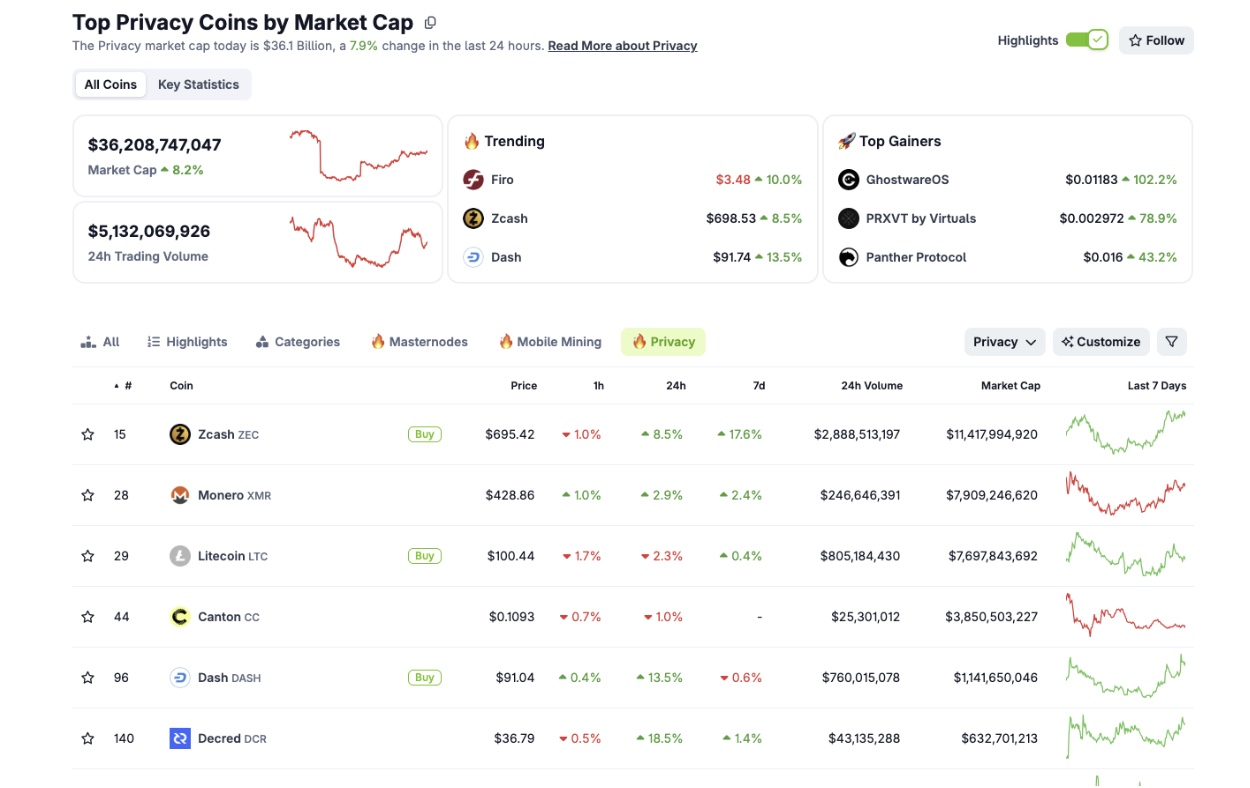
Crypto Privacy Coins Surge as Political Tension Builds Ahead of Congressional Vote
Privacy coins rallied sharply as markets brace for a pivotal U.S. Congress vote that may compel President Trump to release Epstein-related files.
Coinspeaker·2025/11/15 16:00
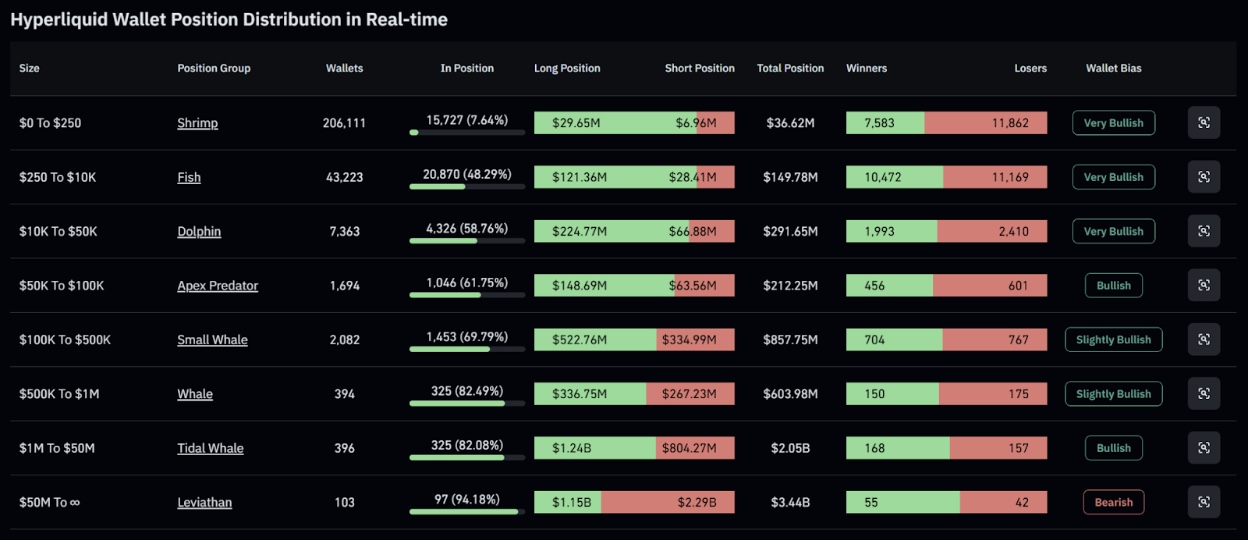
Largest Hyperliquid Whales Are Shorting Amid Wild Market Volatility
Massive short positions by top Hyperliquid whales, combined with surging fear and panic across social media, suggest the crypto market might be inching toward a turning point.
Coinspeaker·2025/11/15 16:00

Tether Eyes a €1B Robotics Deal — A Giant Leap Beyond Stablecoins
Kriptoworld·2025/11/15 16:00

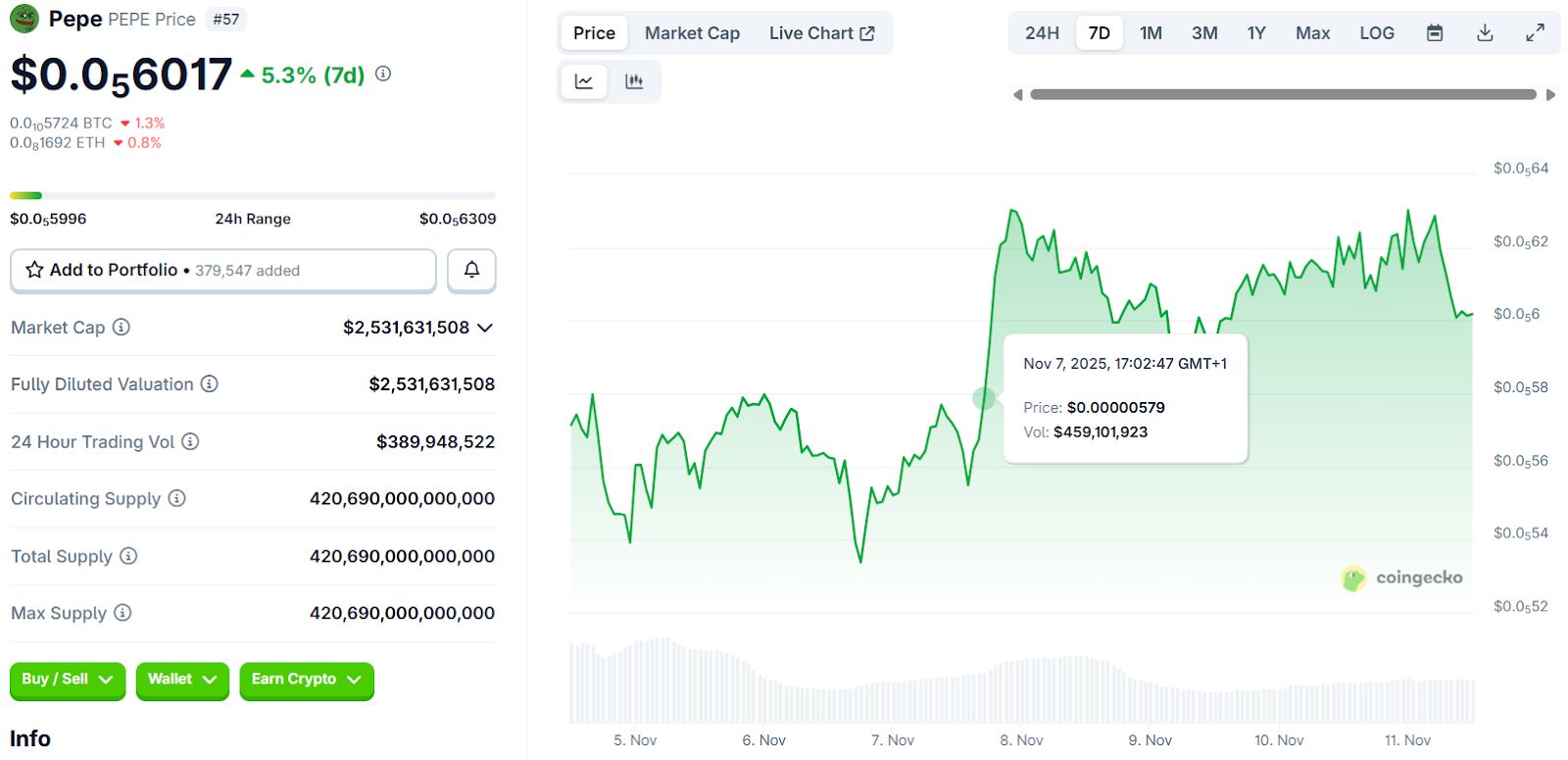
Top Meme Coins for 2025: Shiba Inu, Pepe Coin, and 3 Hidden Gems Investors Love
Cryptodaily·2025/11/15 16:00
Bitcoin hits six-month low near $95,000; analysts optimistic for bullish turn
Quick Take Bitcoin fell to a six-month low on Sunday mainly due to tight liquidity, analysts said. Market experts forecasted a liquidity expansion as the U.S. government resumes normal operations, which is expected to improve prices.
The Block·2025/11/15 16:00
Flash
01:25
Nigerian SEC significantly raises capital threshold for digital asset platforms to 2 billion nairaForesight News reported, citing TechCabal, that the Nigerian Securities and Exchange Commission (SEC) has issued new regulations raising the minimum capital requirement for digital asset exchanges and custodians to 2 billion naira (approximately $1.4 million), a significant increase from the previous 500 million naira and higher than the previously discussed but withdrawn 1 billion naira proposal. For other categories, the minimum capital requirement for Digital Asset Offering Platforms (DAOP) and RWA tokenization platforms is set at 1 billion naira, while digital asset intermediaries and related service providers are required to have between 300 million and 500 million naira. The new regulations require relevant institutions to meet these standards by June 30, 2027, or they may face suspension or revocation of their licenses.
01:17
Genius will suspend dynamic point distribution and plans to switch to a retrospective points mechanismAccording to Odaily, Genius has announced that starting from 19:30 on January 17, 2026 (Saturday), Eastern Time, Genius dynamic points distribution will be suspended, and the platform will transition to a retrospective points system. The specific rules will be announced soon. Genius stated that points earned by users through trading will continue to be retained in their accounts, but referral points abused by bot farms will not be preserved. The first round of retrospective points activities will begin at 16:00 on January 19 (Eastern Time, UTC+8). In addition, Genius confirmed that its airdrop whitepaper will be officially released on January 18.
01:09
White House Crypto Committee Head: Bitcoin Strategic Reserve Advancement Hindered by "Technical Legal Provisions"According to Odaily, Patrick Witt, head of the White House Crypto Committee, stated that the United States is still advancing the establishment of a Bitcoin strategic reserve, but some "relatively obscure legal provisions" are slowing down the process. Currently, multiple government agencies, including the Department of Justice (DOJ) and the Office of Legal Counsel (OLC), are discussing legal and regulatory authority issues related to the Bitcoin strategic reserve. Witt pointed out that while the arrangements may appear straightforward on the surface, differences in statutory authority among various agencies make the implementation process complex. These issues are still being coordinated, and the Bitcoin strategic reserve remains a current policy priority. Previously, Trump signed an executive order in March 2025 to establish a "Strategic Bitcoin Reserve" and a "Digital Asset Reserve Pool." However, the order only allows BTC obtained through judicial forfeiture to be included in the reserve and does not authorize the government to purchase Bitcoin on the open market, which has caused dissatisfaction among some members of the Bitcoin community. Cointelegraph noted that despite policy controversies, the U.S. government is still exploring potential implementation paths that are compliant and do not increase the fiscal deficit. (Cointelegraph)
News